
Breaking the Silence: Mental Health Challenges in Asian Communities
For many in Asian communities, mental health can be a difficult topic to discuss. Messages like “stay strong” or “don’t burden others” are deeply ingrained, and while well-intentioned, they can make it hard to seek support when life feels overwhelming. The truth is, struggling with stress, anxiety, or depression is not a sign of weakness—it’s a human experience.
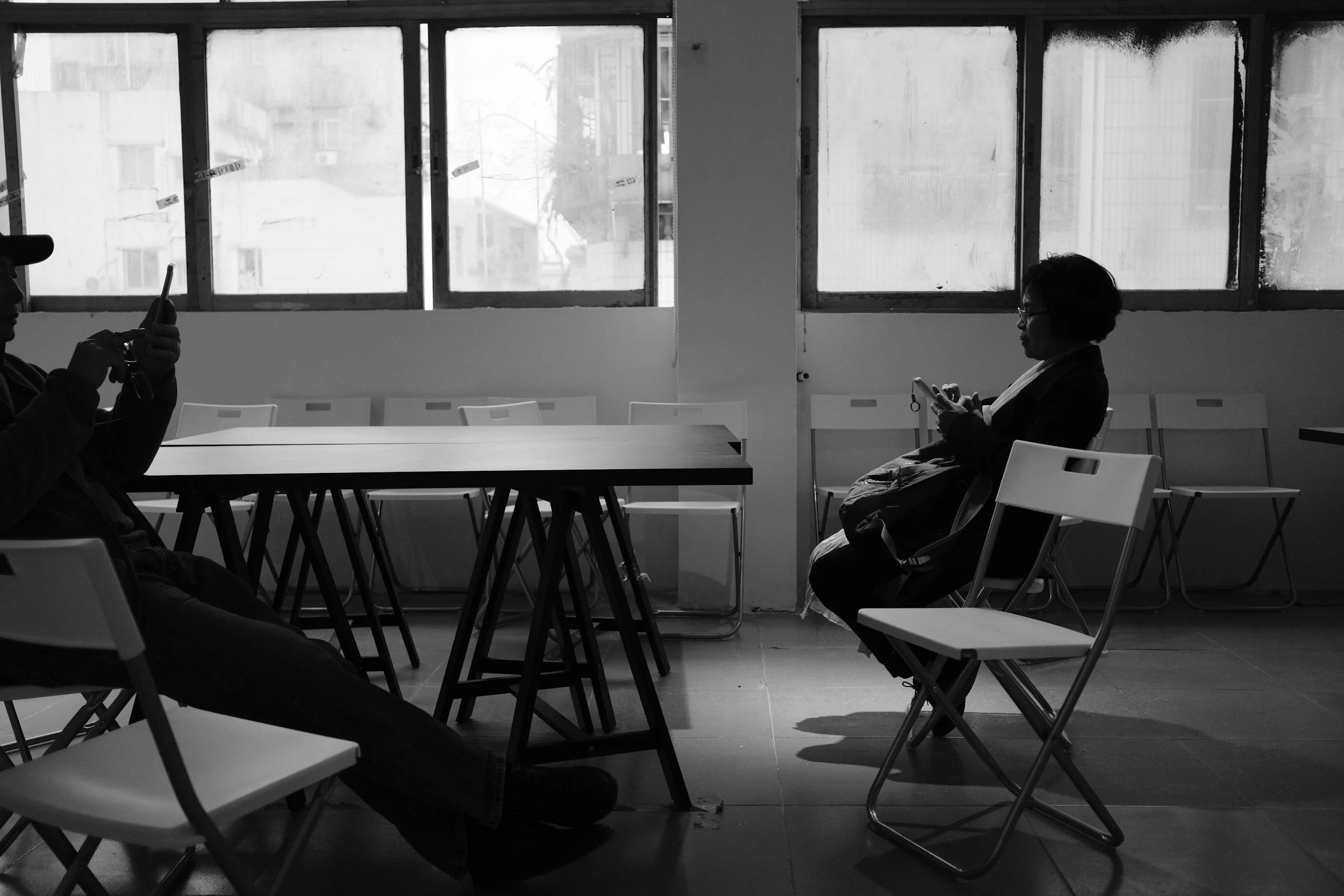
Cultural stigma shapes how individuals and communities think about mental health, often creating barriers to seeking help, expressing vulnerability, or acknowledging struggles. It arises from shared beliefs, traditions, and social norms that label certain emotions or behaviours as shameful, weak, or unacceptable. Recognizing cultural stigma means noticing how family expectations, religious teachings, gender roles, and
Understanding Cultural Stigmas Around Mental Health
In many Asian families, therapy is often viewed through a lens of stigma. Common beliefs include:
“Therapy is only for people who are ‘crazy’.”
“We should handle problems within the family.”
These beliefs can prevent people from seeking the help they need, even when symptoms are affecting daily life. Recognizing these cultural pressures is the first step toward creating a healthier approach to mental wellness.
Generational Differences in Mental Health Awareness
Generational differences can also influence attitudes toward mental health. Older adults may prioritize reputation and “face,” while younger generations often recognize the benefits of professional support. These differences can sometimes lead to misunderstandings, but they also create an opportunity to bridge perspectives and foster open conversations about mental health.
Recognizing Signs You Might Need Support
Mental health challenges don’t always look obvious. Some common signs include:
Persistent stress or burnout
Feelings of sadness, hopelessness, or anxiety
Difficulty sleeping or relaxing
Feeling disconnected from friends, family, or community
If these experiences feel familiar, it may be a sign that reaching out for support could help.
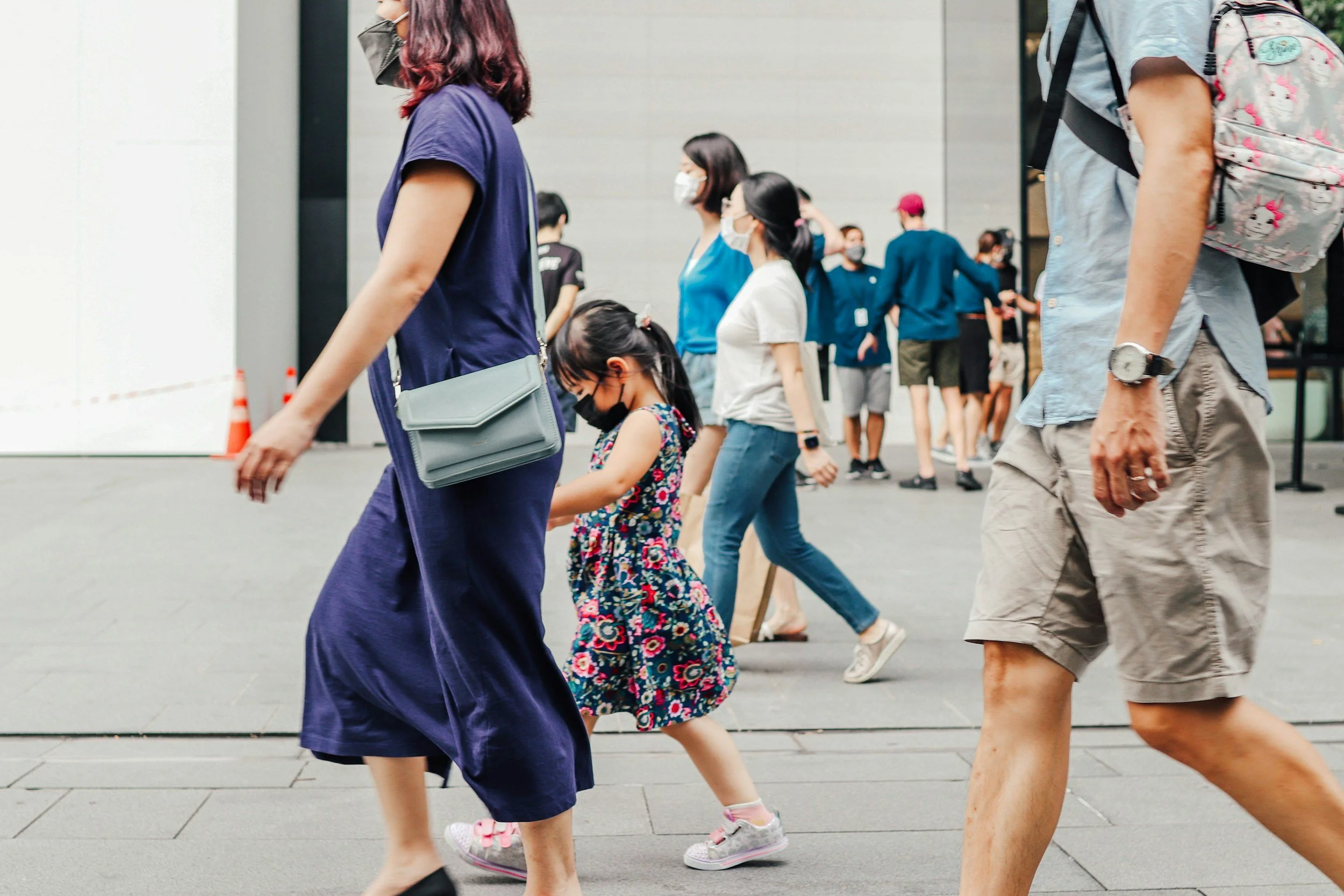
Reaching out for help in therapy is a courageous step toward understanding yourself and changing what isn’t working
How Therapy Can Help
Therapy can provide a safe, supportive space to explore your thoughts and emotions without judgment. For Asian clients, culturally sensitive therapy can be especially valuable. This includes:
Language support, such as English and Cantonese sessions
Understanding family dynamics and cultural expectations
Evidence-based strategies for managing anxiety, depression, trauma, and ADHD
Therapy is not about changing who you are—it’s about giving you tools to cope, grow, and live a balanced life.
Tips for Starting the Conversation
Opening up about mental health can feel intimidating. Here are a few strategies:
Begin small: journal your thoughts or talk to a trusted friend.
Frame self-care as a form of responsibility, not weakness.
Consider professional support as a neutral, helpful space for guidance.
Prioritizing your mental health is a strength, not a weakness. If you’re ready to take the first step, I provide therapy in English and Cantonese, supporting Asian clients with a culturally sensitive, judgment-free approach.
